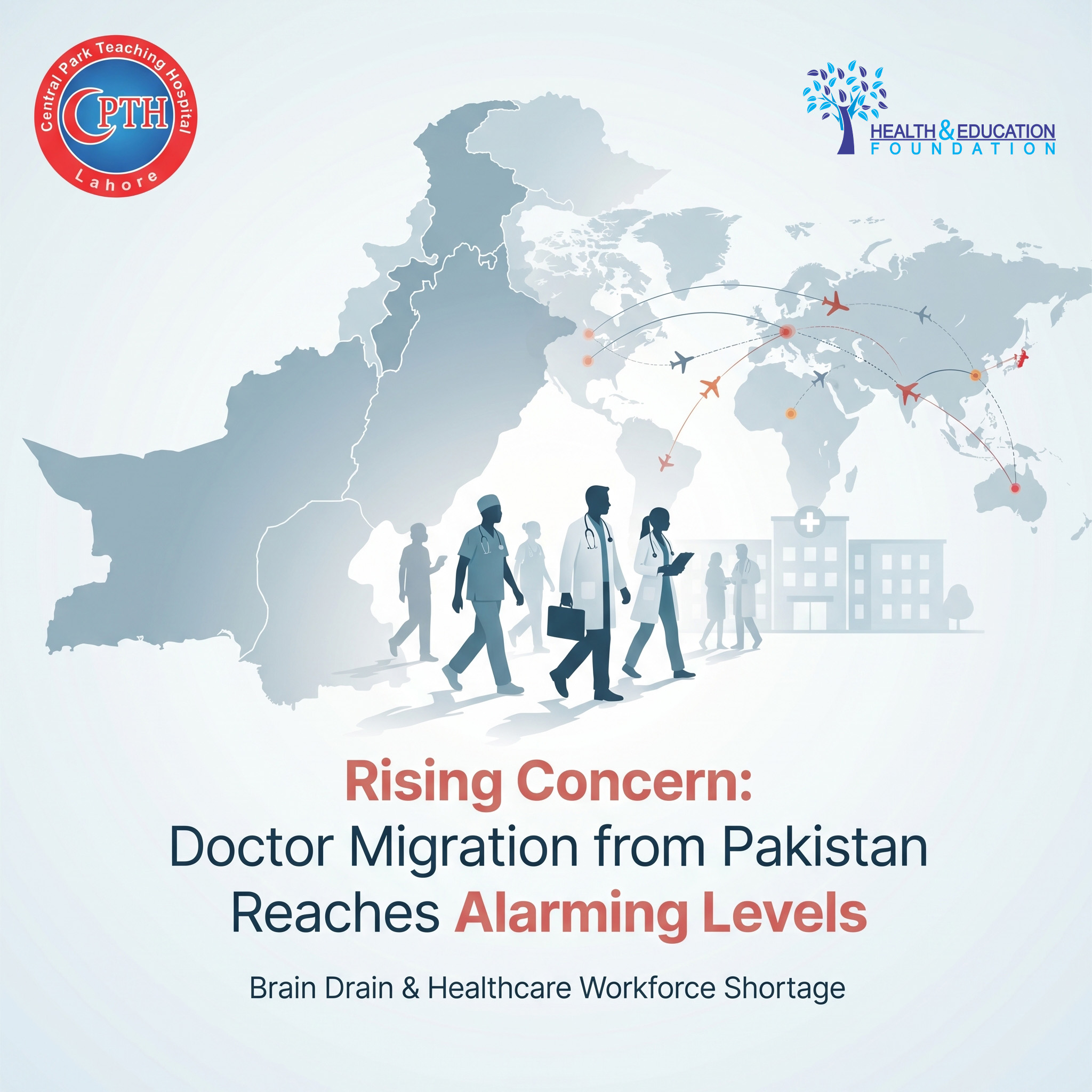
Pakistan is facing a growing healthcare challenge as a significant number of qualified doctors are leaving the country in search of better opportunities abroad. Recent reports indicate that nearly 4,000 doctors migrated in 2025 alone, marking one of the highest levels of medical brain drain in recent years.
This trend has raised serious concerns among healthcare experts, policymakers, and hospital administrators.
Understanding the Causes
Medical professionals cite multiple reasons for this increasing migration, including limited career growth, inadequate salaries, heavy workloads, and lack of advanced training opportunities. Many young doctors seek international exposure, better working conditions, and access to cutting-edge medical technologies.
Senior physicians warn that this trend could significantly impact Pakistan’s healthcare delivery system, particularly in rural and underserved regions where medical professionals are already scarce.
Impact on Healthcare System
Experts emphasize that the loss of skilled doctors creates gaps in specialized medical services, delays patient care, and increases the burden on remaining healthcare staff. Hospitals are struggling to maintain optimal doctor-to-patient ratios, leading to increased burnout among healthcare workers and reduced efficiency in service delivery.
Solutions Proposed by Experts
Healthcare leaders suggest several measures to address this issue:
Improved salary structures and incentives
Expansion of postgraduate training programs
Investment in modern medical infrastructure
Better working conditions and work-life balance
Recent recommendations by medical authorities also emphasize increasing residency training slots across Pakistan to retain talent within the country.
Role of Teaching Hospitals
Teaching hospitals like Central Park Teaching Hospital play a critical role in nurturing future healthcare professionals. By offering advanced training programs, research opportunities, and supportive work environments, such institutions can help reduce the migration trend.
A Call for Immediate Action
Experts agree that urgent and coordinated efforts are needed to address this issue. Retaining skilled doctors is not just a workforce concern—it is essential for ensuring quality healthcare services for the population.